
Email Anytime
info@wildloreadventures.com
Call Anytime
Email Anytime
Call Anytime
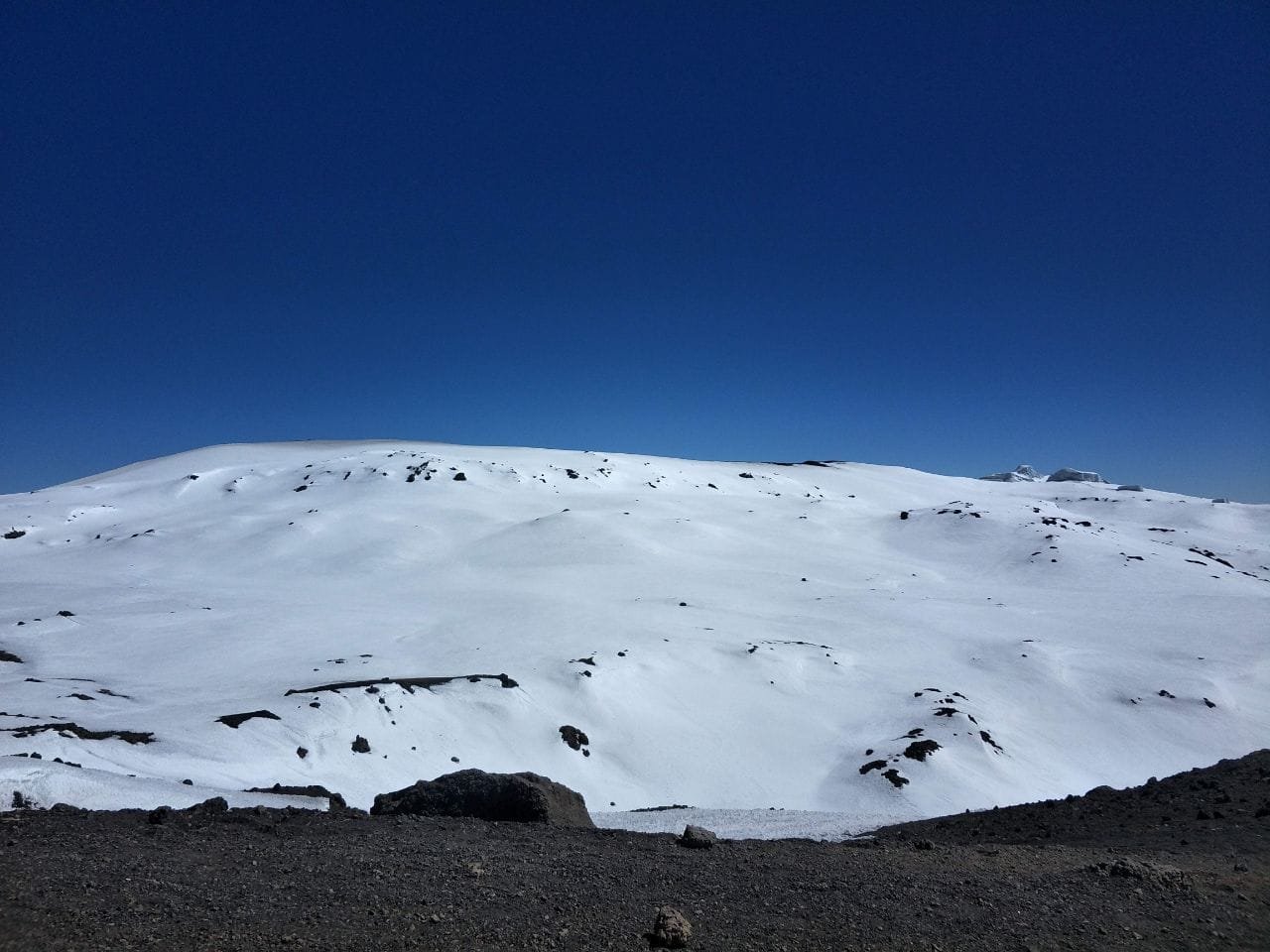
Discover the best time to climb Mount Kilimanjaro, with tips on weather, dry and wet seasons, and optimal months for a safe and successful summit.
Choosing the best time to climb Kilimanjaro is crucial for a safe and successful summit.
The mountain has two main dry seasons: from January to March and from June to October. These months offer more stable weather, clear skies, and better trail conditions, which increase the chances of reaching the summit. The wet seasons, from March to May and November, bring heavy rainfall, slippery trails, and limited visibility, making climbs more challenging. Planning your trek during the dry season, along with considering factors like group size, acclimatization, and route selection, ensures a safer, more enjoyable experience while taking in Kilimanjaro’s stunning landscapes.
Climbing Mount Kilimanjaro is a once-in-a-lifetime adventure, but the timing of your trek can greatly affect your experience. Kilimanjaro’s weather varies significantly with altitude and season, influencing trail conditions, visibility, and summit success rates. This guide explains the best months for climbing, seasonal advantages, and tips for planning your Kilimanjaro expedition.
Kilimanjaro spans multiple climate zones. The base features tropical forests, while the summit experiences alpine desert conditions. Temperatures range from 25°C (77°F) at the base to below freezing at the peak.
Kilimanjaro has two main rainy seasons: the long rains from March to May, and the short rains from November to early December. Rainfall affects trail conditions, visibility, and overall trekking comfort.
The dry seasons—January to mid-March and June to October—offer the best climbing conditions with clear skies, stable trails, and lower chances of altitude-related weather disruptions.
This period offers dry trails, sunny days, and relatively low crowds. The landscape is clear, providing spectacular views of the summit. Temperatures are moderate at lower altitudes, but nights remain cold at higher elevations.
The longest dry period provides ideal trekking conditions. Clear skies, minimal rain, and stable weather make this the most popular time for climbers. Summit success rates are higher due to favorable conditions, but trails may be busier.
March to May (long rains) and November to early December (short rains) are less ideal. Trails can be muddy and slippery, vegetation overgrown, and summit attempts risk poor visibility and wet conditions. However, the scenery is lush and fewer climbers are on the trail.
Longer dry seasons, particularly June to October, offer higher summit success due to stable weather. Choosing longer routes like Lemosho or Machame during these months improves acclimatization and summit chances.
Lower slopes are rich in wildlife and plant life. The dry seasons allow better wildlife spotting, while rainy seasons provide lush scenery and blooming flora for nature photography.
Peak dry season months are busier and may cost more for guides and permits. Off-peak months are quieter and can offer discounted rates, but come with increased weather challenges.
Climbing during dry seasons allows smoother acclimatization as trails are easier to navigate. Avoiding wet and muddy trails helps conserve energy for high-altitude trekking.
Popular climbing months require early reservations for routes, guides, and accommodations, especially for Machame and Lemosho routes.
Longer routes like Lemosho, Shira, or Machame during dry months increase summit success. Shorter routes may be riskier during rainy periods.
Even in dry months, summit temperatures drop below freezing. Layered clothing, gloves, hats, and quality sleeping bags are essential.
Consult with licensed operators and Kilimanjaro National Park for current weather forecasts, trail conditions, and safety tips before booking your climb.
January to March and June to October are considered the best months due to dry weather, clear skies, and higher summit success rates.
Yes, but trails may be muddy and slippery, visibility may be reduced, and summit success rates may be lower. It’s suitable for experienced trekkers seeking solitude.
Summit temperatures are cold year-round. Dry season provides clearer skies and more stable weather, while rainy season may bring snow, fog, and poor visibility.
Dry seasons make wildlife spotting easier, while rainy seasons produce lush green landscapes, blooming flowers, and fewer crowds on the trail.
Longer routes like Lemosho and Machame are recommended during dry months for better acclimatization and higher summit success, while shorter routes like Marangu can be attempted year-round with caution.
Layered clothing is essential. Dry season allows lighter layers at lower altitudes but warm layers for summit. Rainy season requires waterproof gear, gaiters, and extra insulation for wet conditions.
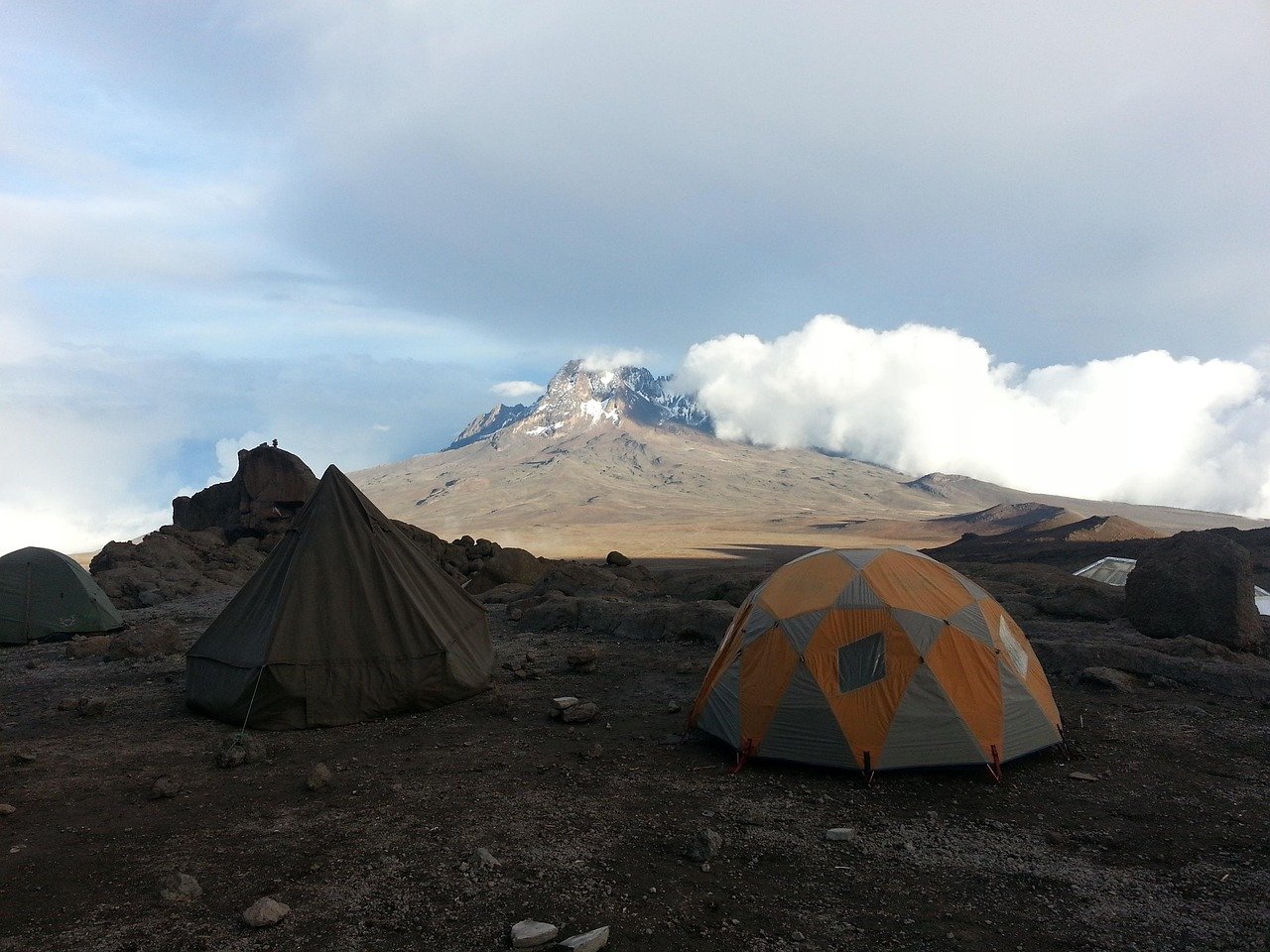
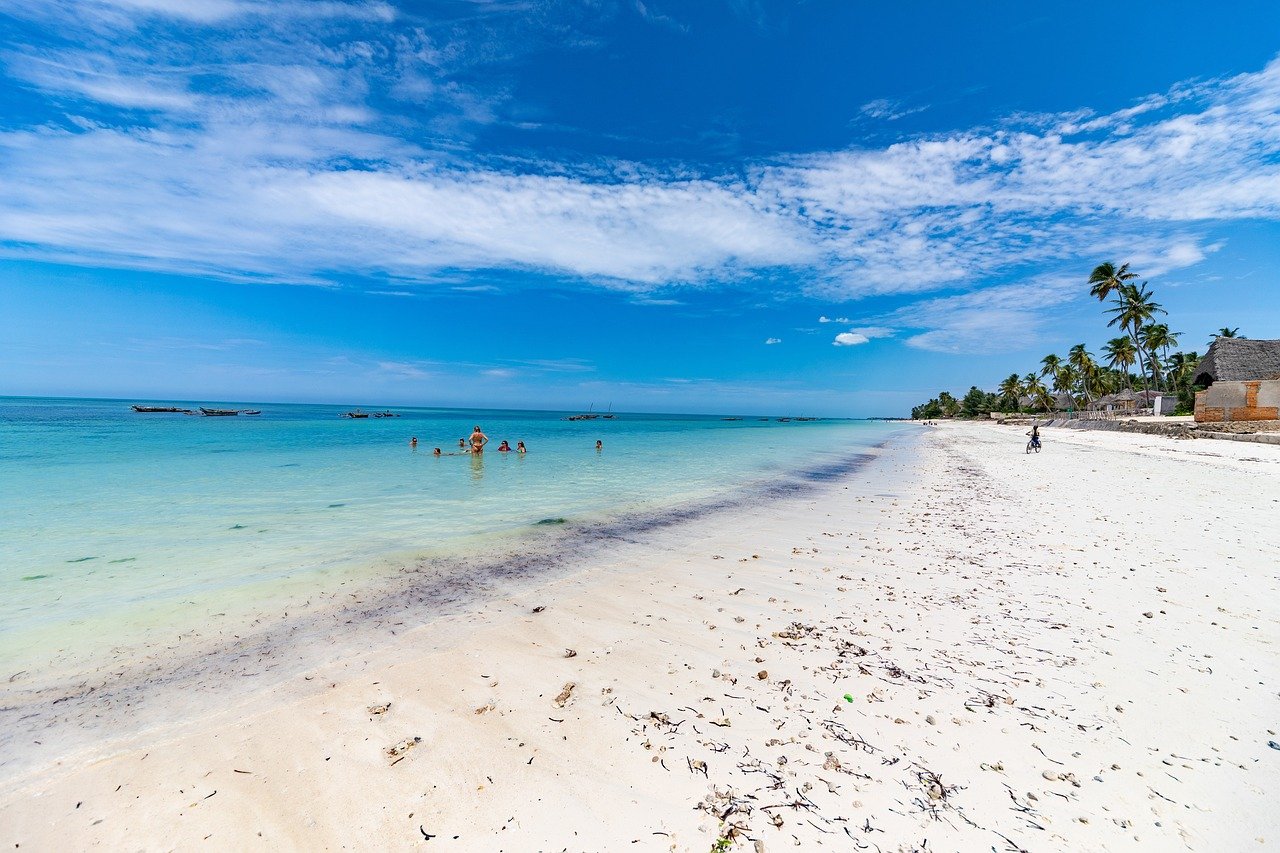
Book your unforgettable Tanzania tour now and experience wildlife, mountains, and pristine beaches in one trip!
Mail Us Now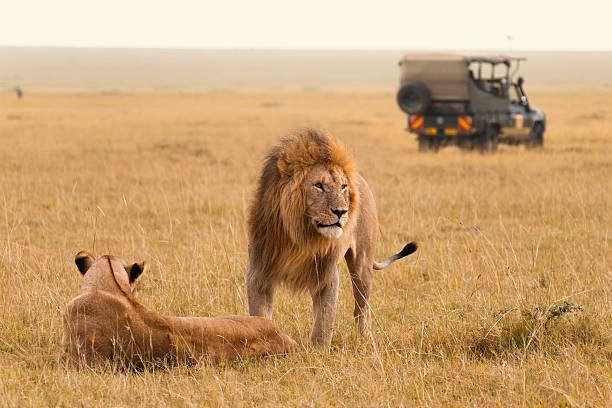
Tanzania
Tanzania
Tanzania
