
Email Anytime
info@wildloreadventures.com
Call Anytime
Email Anytime
Call Anytime
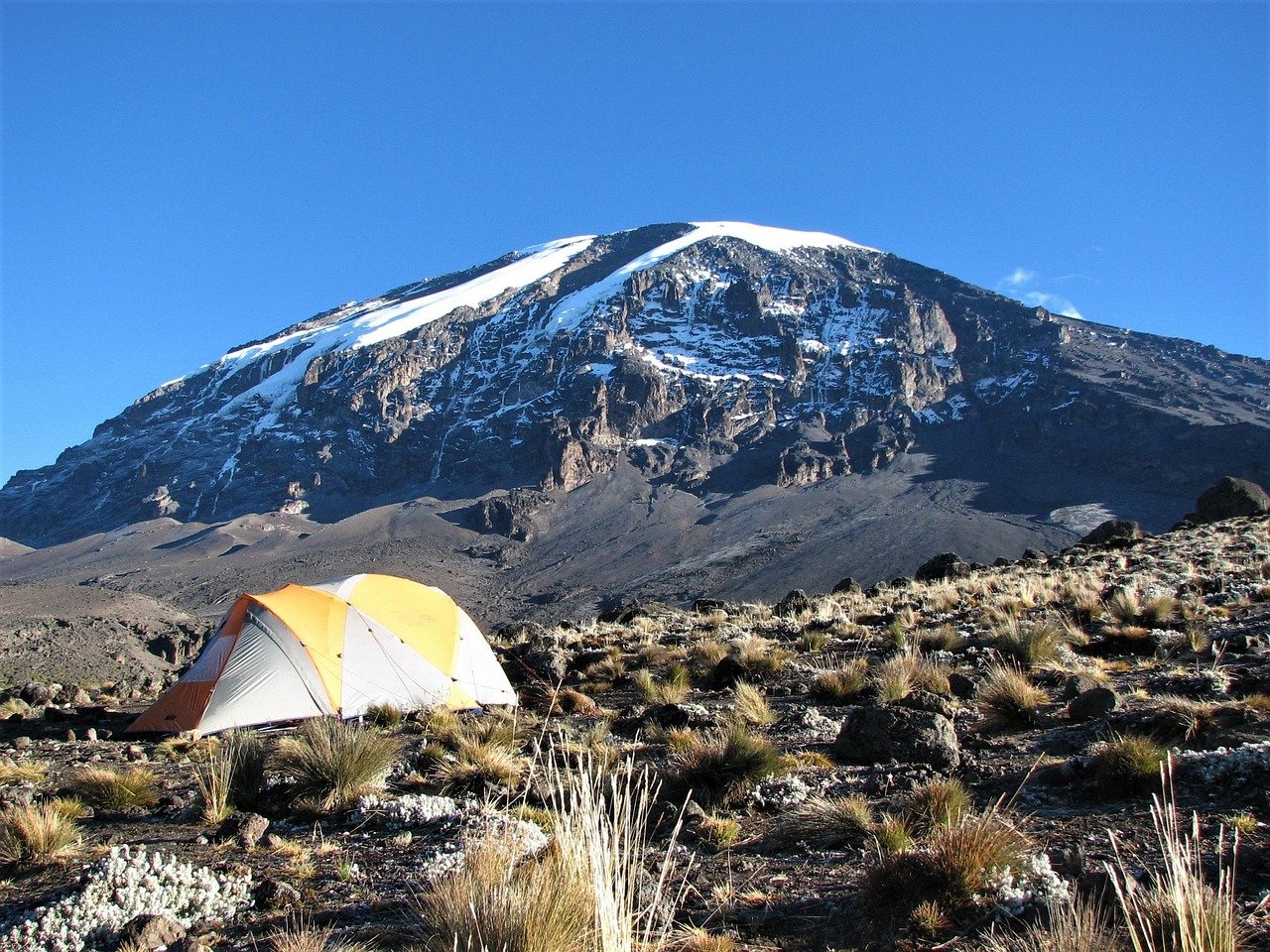
Learn how to climb Mount Kilimanjaro with essential tips on routes, preparation, acclimatization, gear, and safety for a successful summit experience.
Climbing Mount Kilimanjaro requires preparation, proper gear, and understanding the routes and acclimatization process.
This guide helps trekkers choose the right route, plan for altitude, pack essential equipment, and follow safety tips to increase their chances of reaching the summit. With the right planning and support from experienced guides, climbers can enjoy a safe and rewarding adventure to Africa’s highest peak.
Mount Kilimanjaro, Africa’s highest peak at 5,895 meters (19,341 feet), is one of the world’s most iconic trekking destinations. Known as the “Roof of Africa,” it attracts adventurers from all over the world. Climbing Kilimanjaro is achievable for people of varying fitness levels with proper preparation, a suitable route, and guidance. This guide provides detailed information on routes, preparation, tips, and safety advice for a successful Kilimanjaro climb.
This is the most popular route with hut accommodations. It is considered moderate, with gradual ascent, but requires good fitness. Best for those who prefer structured lodges over camping.
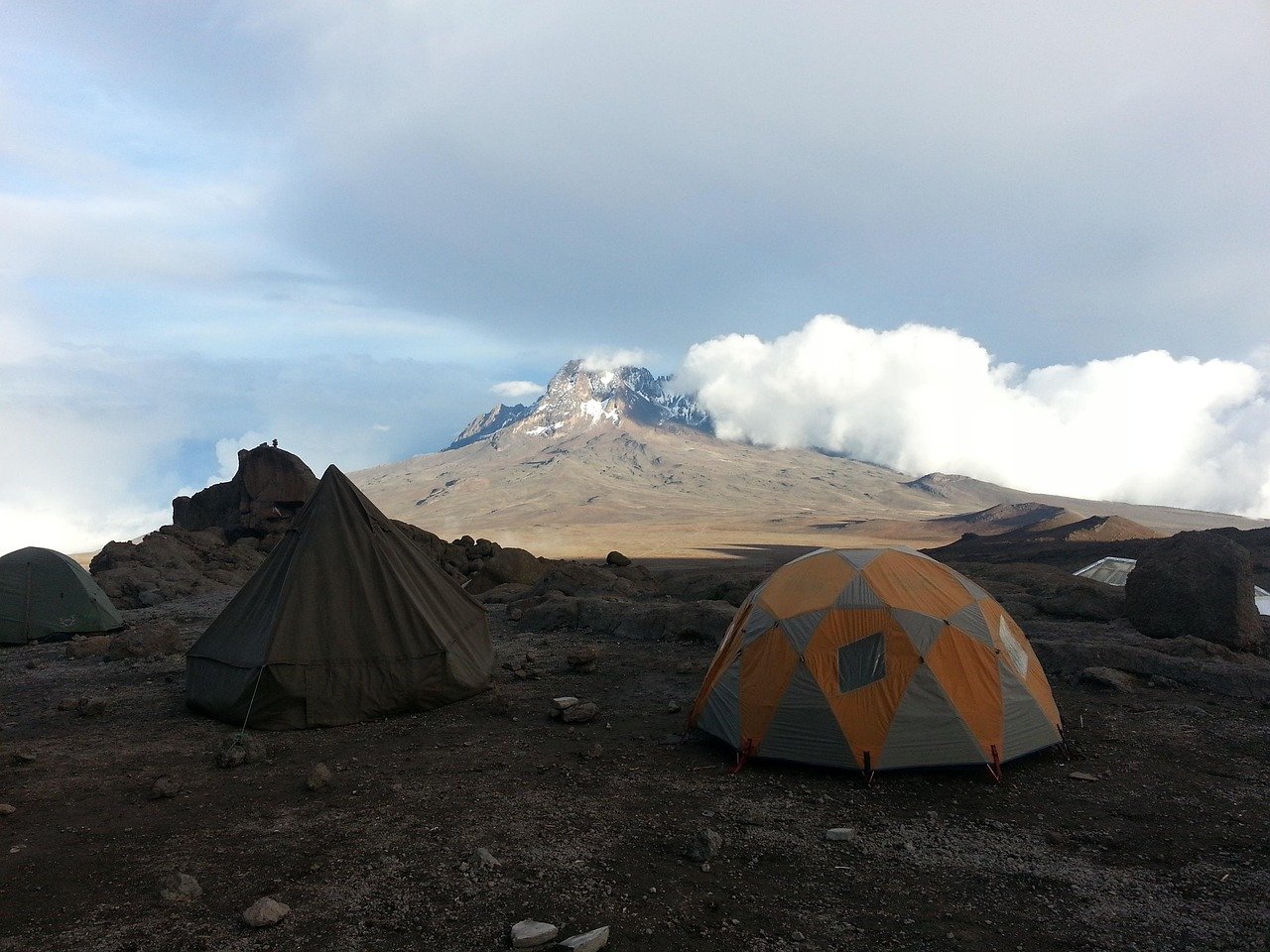
Known for scenic beauty, Machame offers a varied landscape and higher success rates due to better acclimatization. Camping is required along the route, and the trek is more challenging than Marangu.
Ideal for scenic views and higher summit success, Lemosho is longer and less crowded. It provides gradual acclimatization and passes through diverse ecosystems.
Approaching from the north, Rongai is less crowded and offers a drier climb. It is moderately challenging and suitable for those seeking solitude and a quiet trekking experience.
Shira is similar to Lemosho, starting from the west. It is longer and more scenic, providing excellent acclimatization and higher summit success rates.
Umbwe is the shortest and steepest route, recommended for experienced trekkers. It is challenging with a higher risk of altitude sickness if not careful.
Regular cardio exercises like hiking, running, swimming, or cycling are essential. Strength training, especially for legs and core, improves endurance for long ascents.
Practice multi-day hikes with a backpack to simulate Kilimanjaro conditions. Gradually increase altitude if possible to help with acclimatization.
Consult a doctor before the trek, especially if you have heart, lung, or other medical conditions. Vaccinations and malaria prophylaxis may be recommended depending on the route to the base.
Mental stamina is as important as physical fitness. Prepare for long days, early starts, and challenging weather conditions at high altitude.
Layered clothing is essential for varying temperatures. Include base layers, fleece or down jackets, waterproof shell, trekking pants, gloves, hat, and thermal socks.
Sturdy, waterproof hiking boots with good ankle support are required. Bring gaiters for snow or muddy conditions.
Sleeping bag rated for cold temperatures, trekking poles, sunglasses, sunscreen, headlamp, reusable water bottle, and personal first-aid kit.
Bring a comfortable backpack for daily essentials and a small daypack for summit day necessities.
Common symptoms include headache, nausea, dizziness, fatigue, and shortness of breath. Severe symptoms require immediate descent.
Follow the “climb high, sleep low” principle. Choose longer routes for better acclimatization. Stay hydrated and avoid alcohol.
Always follow guide instructions. Descend immediately if severe AMS symptoms occur. Kilimanjaro guides are trained in emergency care and evacuation procedures.
Arrive in Moshi, meet guides, and transfer to Machame Gate. Begin hike through rainforest, reaching Machame Camp (1,800–3,000 meters). Overnight in tents.
Ascend through moorland to Shira Plateau. Observe unique flora and panoramic views. Overnight at Shira Camp (3,500 m).
Traverse Shira Ridge, enter the Lava Tower area (4,600 m), then descend to Barranco Camp (3,900 m) to acclimatize.
Climb the Barranco Wall, descend into Karanga Valley, and overnight at Karanga Camp (4,000 m). Shorter hiking day for acclimatization.
Hike to Barafu Camp (4,600 m), the base for the summit attempt. Rest and prepare for midnight ascent.
Begin around midnight for the summit at Uhuru Peak (5,895 m). Descend to Mweka Camp (3,100 m) for overnight stay.
Complete the final descent through rainforest to Mweka Gate. Transfer back to Moshi for celebration and rest.
Longer routes improve acclimatization and increase summit success rates. Machame, Lemosho, and Shira are recommended for first-time climbers.
Drink 3–4 liters of water per day. Eat small, frequent meals to maintain energy levels.
Temperatures vary dramatically from the base to the summit. Layering ensures comfort in changing weather.
Walk slowly and steadily to conserve energy and allow for acclimatization.
Guides monitor health, weather, and route conditions. Follow instructions carefully for a safe and successful climb.
A: January to March and June to October are ideal for dry weather and good trail conditions.
No, Kilimanjaro is a non-technical climb. Fitness and stamina are important, but technical climbing skills are not required.
Depending on the route, climbs range from 5–9 days. Longer routes increase acclimatization and summit success.
Yes, it can occur. Following proper acclimatization schedules, staying hydrated, and ascending gradually reduce the risk.
Layered clothing, waterproof jacket, sturdy hiking boots, gloves, hat, trekking poles, sleeping bag, and headlamp are essential.
Yes, but operators usually recommend a minimum age of 10–12 depending on the route and fitness level.
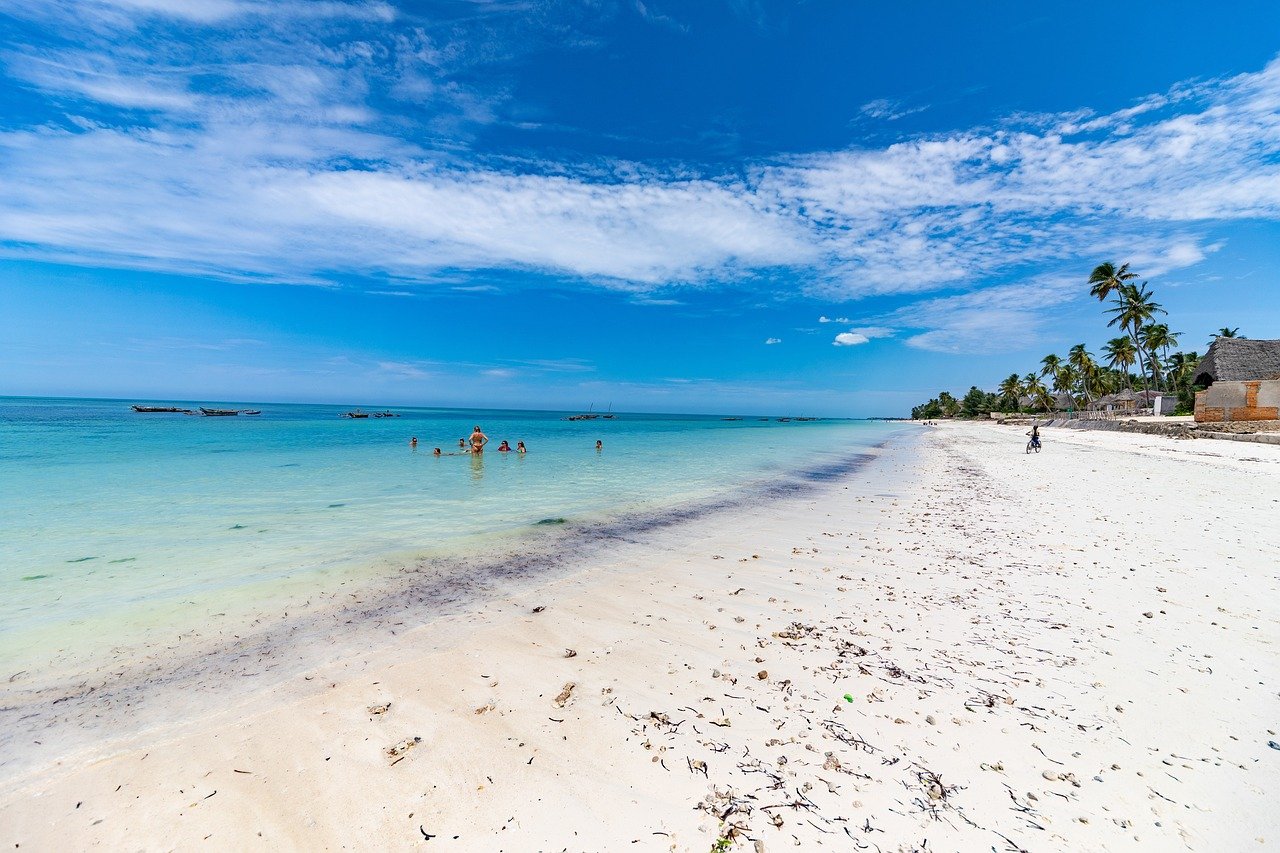
Book your unforgettable Tanzania tour now and experience wildlife, mountains, and pristine beaches in one trip!
Mail Us Now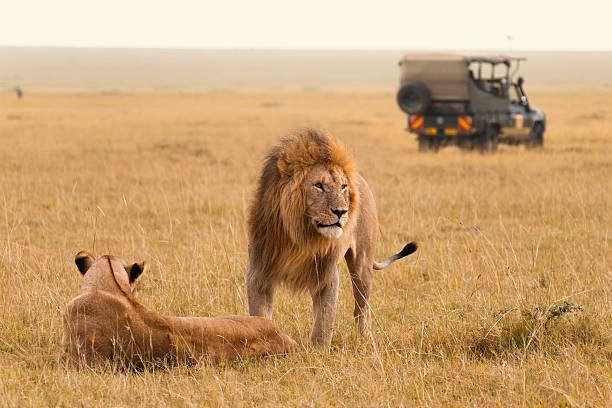
Tanzania
Tanzania
Tanzania
