
Email Anytime
info@wildloreadventures.com
Call Anytime
Email Anytime
Call Anytime
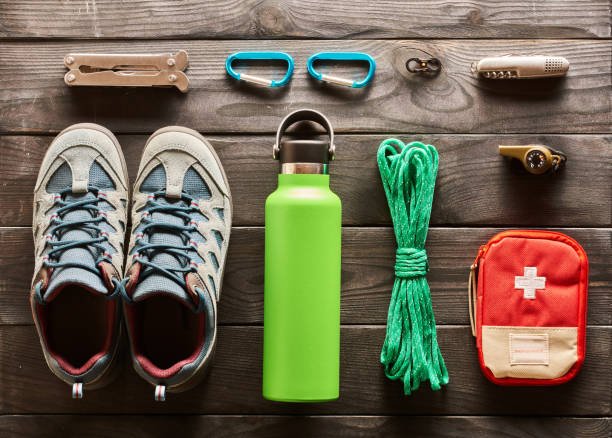
Prepare for your Kilimanjaro climb with this complete packing checklist, including clothing, gear, and accessories to ensure a safe and comfortable trek.
Packing the right gear is essential for a successful Kilimanjaro climb.
This checklist includes clothing for varying temperatures, sturdy footwear, rain gear, sleeping essentials, and technical equipment such as trekking poles and headlamps. Proper packing ensures comfort, safety, and a better chance of reaching the summit while allowing trekkers to focus on enjoying the adventure.
Climbing Mount Kilimanjaro is a once-in-a-lifetime adventure that requires careful preparation. Having the right gear and packing efficiently can make your trek safer, more comfortable, and more enjoyable. This guide provides a detailed Kilimanjaro packing checklist for beginners and experienced climbers alike, covering clothing, equipment, personal items, and tips for organizing your gear.
Moisture-wicking thermal tops and bottoms are essential for regulating body temperature and keeping sweat away from your skin.
Fleece or down jackets provide warmth during cold mornings, nights, and summit day. Layering allows flexibility in changing conditions.
A waterproof and windproof jacket and pants are necessary to protect against rain, wind, and snow. Look for breathable fabrics to prevent overheating.
Quick-drying, lightweight, and durable trekking pants and long-sleeve shirts protect from sun, insects, and brush while providing comfort during long hikes.
Warm gloves or mittens, a hat for sun protection, and a balaclava or beanie for summit day are essential for extreme temperatures at high altitudes.
Multiple pairs of thermal and moisture-wicking socks prevent blisters and keep feet warm on cold mornings.
Sturdy, waterproof, and well-broken-in boots with good ankle support are crucial. Avoid new boots on summit day to prevent blisters.
Lightweight sandals or sneakers provide comfort around the camp after a long day of trekking.
Gaiters protect boots and socks from mud, snow, and loose rocks during challenging sections of the trail.
Carry a comfortable 30–40 liter backpack for personal items, water, snacks, and extra layers. Daypacks are helpful for summit day essentials.
Choose a high-quality sleeping bag rated for -10°C to -15°C for summit nights. Mummy-shaped bags provide optimal warmth.
Poles reduce strain on knees, improve balance, and help maintain a steady pace during steep ascents and descents.
A reliable headlamp with extra batteries is necessary for summit day and early morning starts.
Carry at least 3 liters of water in bottles or a hydration bladder. Energy bars, nuts, and chocolate are useful for maintaining stamina.
High-altitude sun exposure is intense. UV-protection sunglasses, sunscreen SPF 30+, and lip balm with SPF are essential.
Toiletries, wet wipes, hand sanitizer, toilet paper, and a small first-aid kit are vital for hygiene and minor emergencies.
Camera, spare batteries, power bank, notebook, and travel documents should be packed carefully in waterproof pouches.
Only carry essentials. Extra weight can exhaust you quickly. Share heavy items with porters if possible.
Use packing cubes or dry bags to separate clothing by base, mid, and outer layers for easy access and organization.
Keep clothing and electronics in waterproof bags. Weather is unpredictable, especially above 3,000 meters.
Use hiking boots, backpacks, and sleeping bags on training hikes to ensure comfort and suitability.
A: Layered clothing, sturdy boots, and a warm sleeping bag are essential. Proper preparation for altitude and cold temperatures is critical.
Yes, some trekking equipment can be rented in Moshi or through safari operators, but personal items like boots, base layers, and sleeping bags are recommended.
Carry only essential items in a small daypack: water, snacks, headlamp, gloves, hat, camera, and extra warm layers.
No, Kilimanjaro is a non-technical trek. Ice axes, crampons, and ropes are not required under normal conditions.
Use waterproof pouches or dry bags. Cold temperatures can drain batteries quickly, so bring spares and keep devices close to your body.
Base: lightweight, breathable clothing. Summit: multiple insulating layers, gloves, hat, and windproof outer layer. Layering is key to comfort.
Book your unforgettable Tanzania tour now and experience wildlife, mountains, and pristine beaches in one trip!
Mail Us Now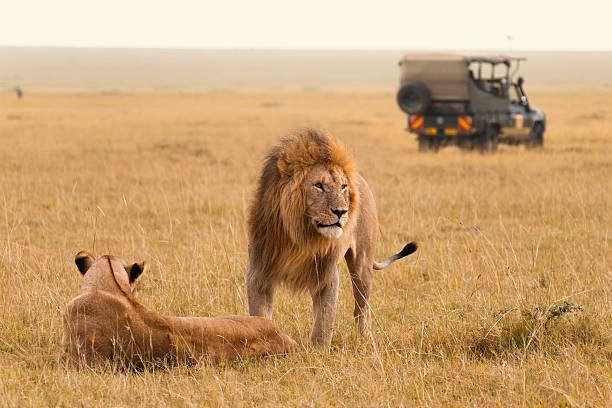
Tanzania
Tanzania
Tanzania
