
Email Anytime
info@wildloreadventures.com
Call Anytime
Email Anytime
Call Anytime
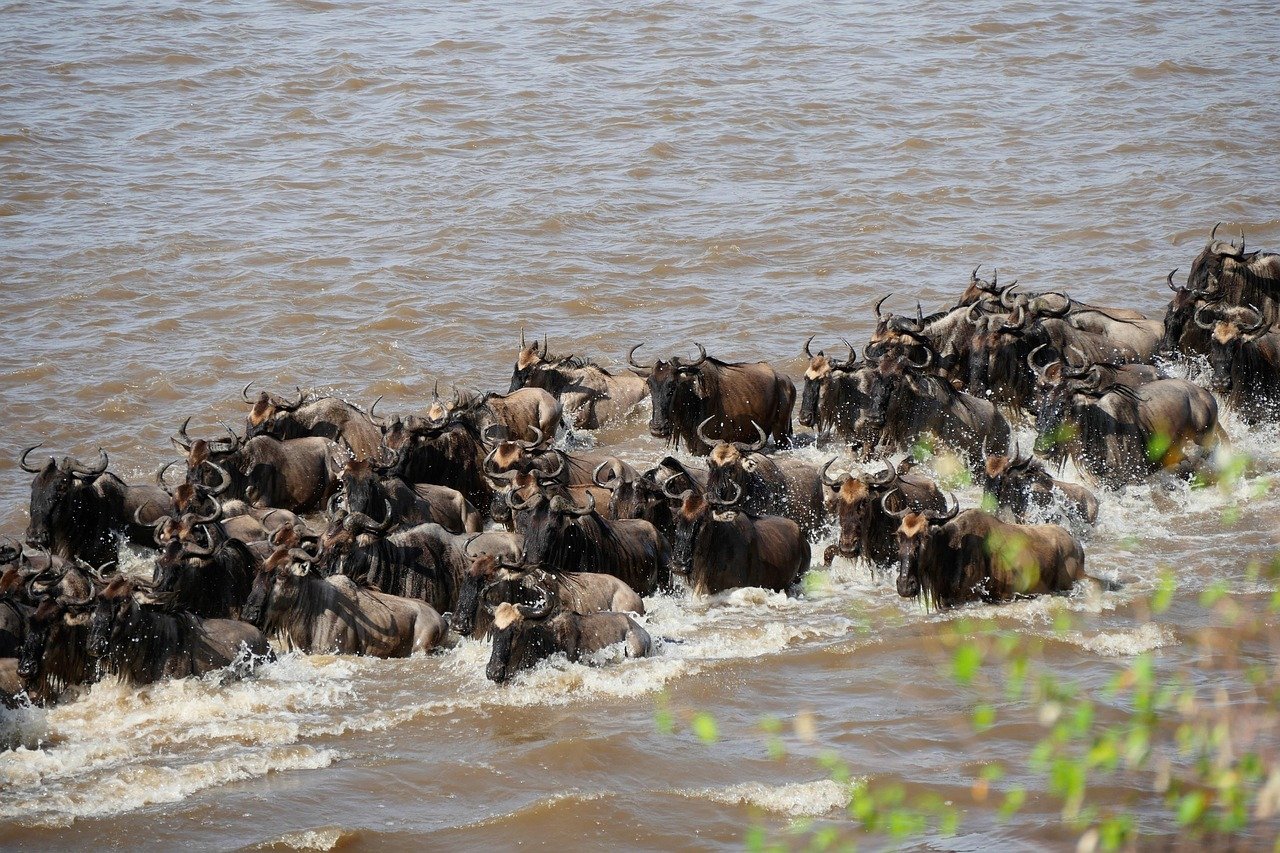
Discover essential Serengeti safari travel tips, including best travel times, safety advice, park rules, and insider guidance for an unforgettable wildlife experience.
Planning a safari in the Serengeti requires preparation to ensure a safe and enjoyable experience. The park is home to abundant wildlife, including the Big Five, and offers stunning landscapes that are best explored with proper guidance. Understanding the best travel times, such as the dry season for wildlife viewing or the migration periods, helps maximize sightings.
Travelers should take health precautions, including malaria prevention and staying hydrated, and follow safety rules by keeping a safe distance from animals and listening to guides. Packing essential gear like comfortable clothing, sun protection, binoculars, and a camera ensures a comfortable and memorable adventure. By following these tips, visitors can have a smooth, rewarding, and unforgettable Serengeti safari experience.
The Serengeti National Park is one of the most iconic safari destinations in the world, famous for its vast plains, incredible wildlife, and the annual Great Migration. Whether it’s your first safari or your tenth, proper planning ensures a safe, enjoyable, and memorable experience. This guide provides essential Serengeti safari travel tips, from choosing the right time to visit, packing essentials, and insider advice on making the most of your adventure.
The dry season is ideal for wildlife viewing. Animals congregate around water sources, making sightings easier. This period also coincides with the Great Migration in northern Serengeti, where thousands of wildebeest, zebras, and predators traverse the plains.
While roads may be muddy, the wet season offers lush landscapes, vibrant birdlife, and fewer tourists. This is also the birthing season for many animals, providing unique wildlife experiences.
Choose the timing based on what you want to see: predator action and migrations are best in dry months, while lush scenery and baby animals are common in wet months.
Safaris, especially during peak season, fill up quickly. Early booking ensures availability, preferred lodges, and sometimes better prices.
Decide between short safaris (2–3 days) or longer adventures (5–7 days). Consider what you want to see and how much time you have. For beginners, guided group safaris are recommended.
Licensed safari companies with experienced guides ensure safety, wildlife knowledge, and well-planned itineraries. Avoid unlicensed operators, especially in remote areas.
Neutral-colored clothing (khaki, olive, brown) is best for blending into the environment. Include a lightweight jacket for early morning drives and layers for cooler evenings.
Comfortable walking shoes or hiking boots are recommended for lodge walks and short nature trails.
Binoculars, a camera with zoom lens, sunhat, sunglasses, sunscreen, insect repellent, and a reusable water bottle are essential.
Bring a small first-aid kit, personal medications, and consider malaria prophylaxis if recommended. Travel insurance is highly advised.
Do not feed animals, approach too closely, or make loud noises. Always follow your guide’s instructions.
Wildlife encounters are unpredictable. Remain inside safari vehicles unless your guide allows safe walking tours.
Observe speed limits, designated paths, and park guidelines to protect both yourself and the environment.
Wildlife sightings may take time. Enjoy the journey, landscape, and smaller details like birds, insects, and plants.
A 200–400mm lens is ideal for capturing wildlife from a safe distance. Binoculars are also helpful for spotting distant animals.
Early morning and late afternoon offer the best light and more animal activity.
Don’t focus solely on animals. The Serengeti’s savannahs, rivers, and sunsets create breathtaking landscape photos.
Game drives can last several hours. Drink plenty of water and carry light snacks to maintain energy.
Wildlife is most active in the early morning and late afternoon. Prepare for early wake-up calls to maximize sightings.
Keep luggage minimal, especially if flying between parks. Most safari vehicles have limited storage space.
Many parks are near Maasai villages. Ask permission before photographing locals and respect cultural traditions.
A: June to October in northern Serengeti and Masai Mara, and December to March in southern Serengeti are peak migration periods.
A: 3–5 days is ideal to experience diverse wildlife and landscapes without fatigue.
Yes, many family-friendly safaris are available. Choose lodges and tours suitable for children and avoid long, tiring drives.
While self-drive is possible in some areas, a licensed guide is recommended for safety, wildlife knowledge, and navigation.
Lions, elephants, leopards, cheetahs, giraffes, zebras, wildebeest, hippos, and a variety of birds are common sightings.
Coverage is limited. Lodges may provide Wi-Fi, but plan for minimal connectivity during game drives.
Book your unforgettable Tanzania tour now and experience wildlife, mountains, and pristine beaches in one trip!
Mail Us Now
Tanzania
Tanzania

Tanzania
